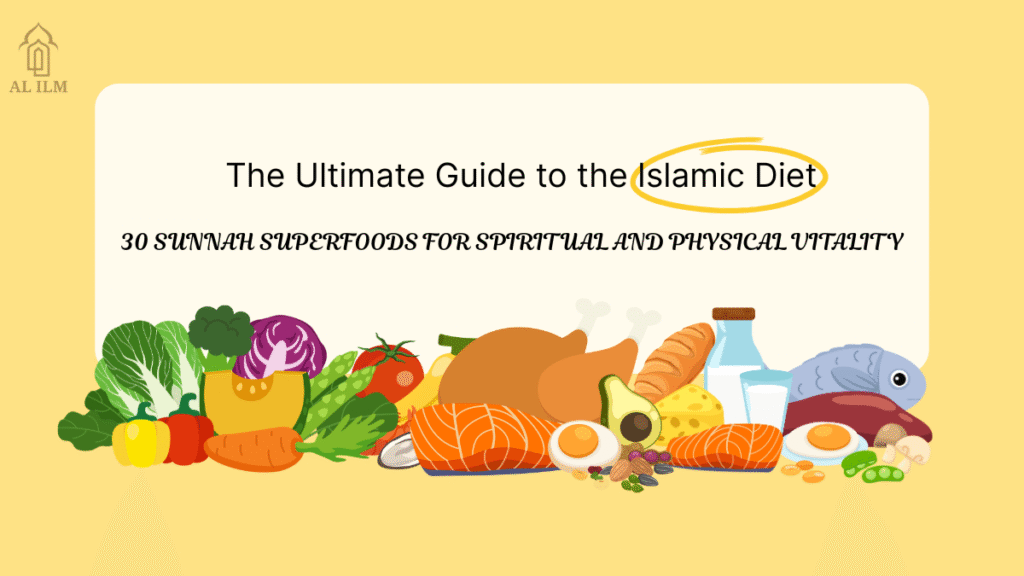
In an age dominated by ultra-processed foods, artificial supplements, and short-lived diet trends, Islam offers a timeless and holistic framework for nutrition. In Islamic teachings, the human body is an Amanah (trust) from Allah, and caring for it is an act of worship—not merely a lifestyle choice.
The Qur’an and the Sunnah of Prophet Muhammad ﷺ emphasize Tayyib nutrition—food that is pure, wholesome, ethical, and beneficial. When combined with Halal, this concept forms a complete dietary philosophy that nurtures the body, sharpens the intellect, and brings Barakah (divine blessing) into daily life.
This guide explores 30 blessed foods mentioned in the Qur’an and Sunnah—nutrient-dense superfoods that align spiritual obedience with modern nutritional science.
The Concept of Halal and Tayyib in Islamic Nutrition
While Halal defines what is permissible, Tayyib focuses on quality, purity, and benefit. A truly Islamic diet integrates both—ensuring food is lawful and nourishing. Islam discourages excess, promotes balance, and encourages mindful eating rooted in gratitude and moderation.
30 Blessed Foods of the Qur’an and Sunnah
1. Dates – The Ultimate Sunnah Superfood
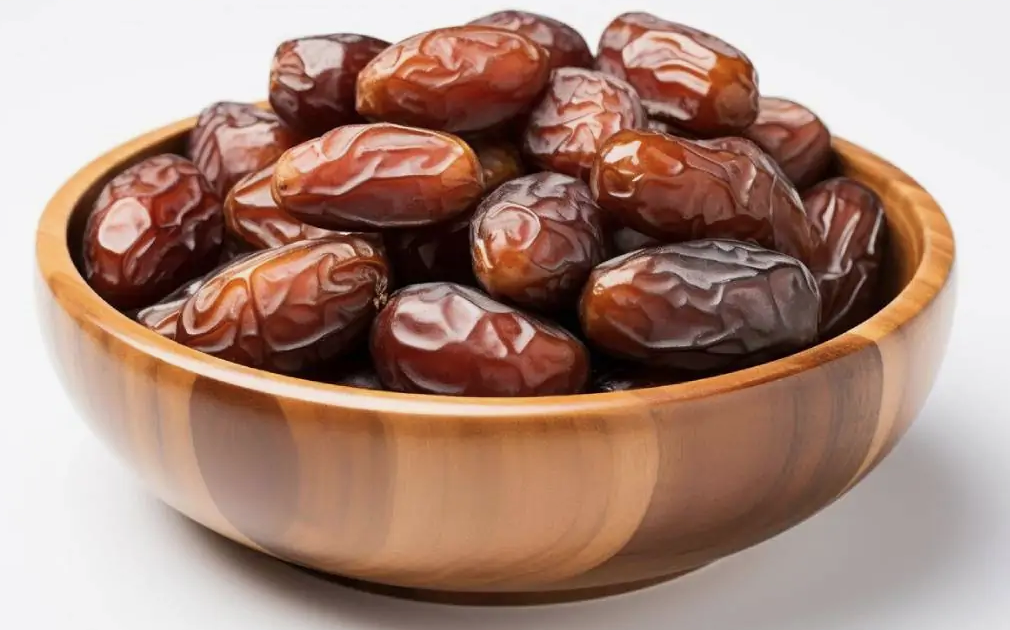
Dates are repeatedly honored in the Qur’an. Allah says:
“And shake the trunk of the palm tree toward you; it will drop upon you ripe, fresh dates.” (Surah Maryam: 25)
Rich in fiber, potassium, iron, and vitamin B6, dates support digestion, energy regulation, and brain health. Eating seven dates in the morning is a well-known Sunnah associated with protection and sustained energy.
2. Olive Oil – The Blessed Liquid Gold
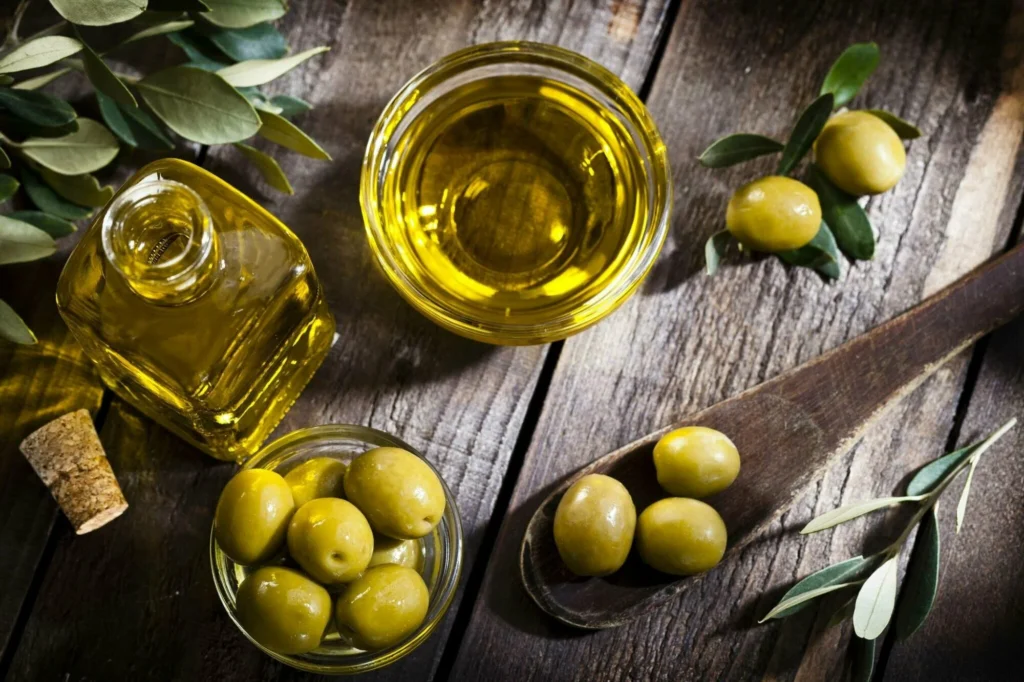
Allah describes the olive tree as blessed:
“Lit from a blessed tree, an olive…” (Surah An-Nur: 35)
The Prophet ﷺ said:
“Eat olive oil and anoint yourselves with it, for it comes from a blessed tree.” (Tirmidhi)
Olive oil is rich in oleic acid, known to reduce inflammation and protect heart health.
3. Honey – The Divine Healer
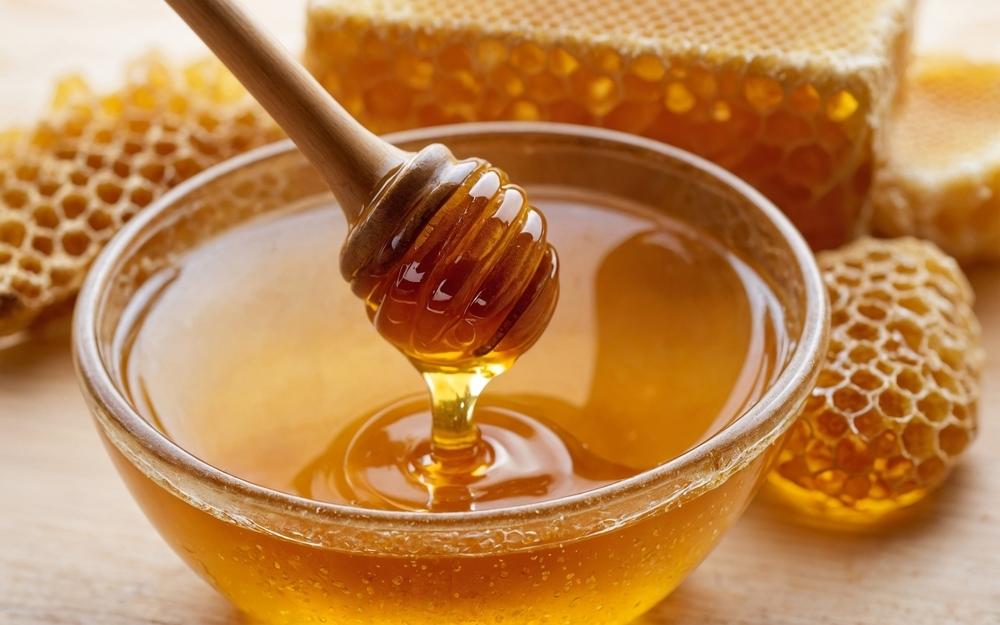
Allah declares honey a source of healing:
“In it is healing for mankind.” (Surah An-Nahl: 69)
The Prophet ﷺ said:
“Honey is a remedy for every illness.” (Bukhari)
Honey is antibacterial, antioxidant-rich, and a superior natural alternative to refined sugar.
4. Barley (Talbina) – The Comfort of the Heart
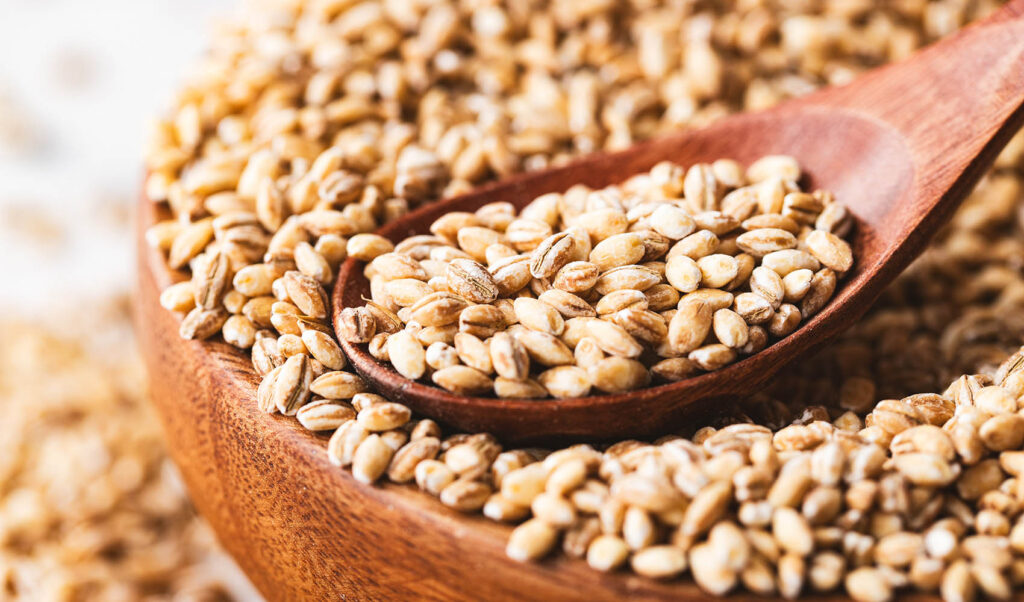
The Prophet ﷺ said:
“Talbina soothes the heart of the sick and relieves sorrow.” (Bukhari)
Barley is high in beta-glucan, which lowers cholesterol, stabilizes blood sugar, and supports emotional well-being.
5. Black Seed – The Cure with Wisdom
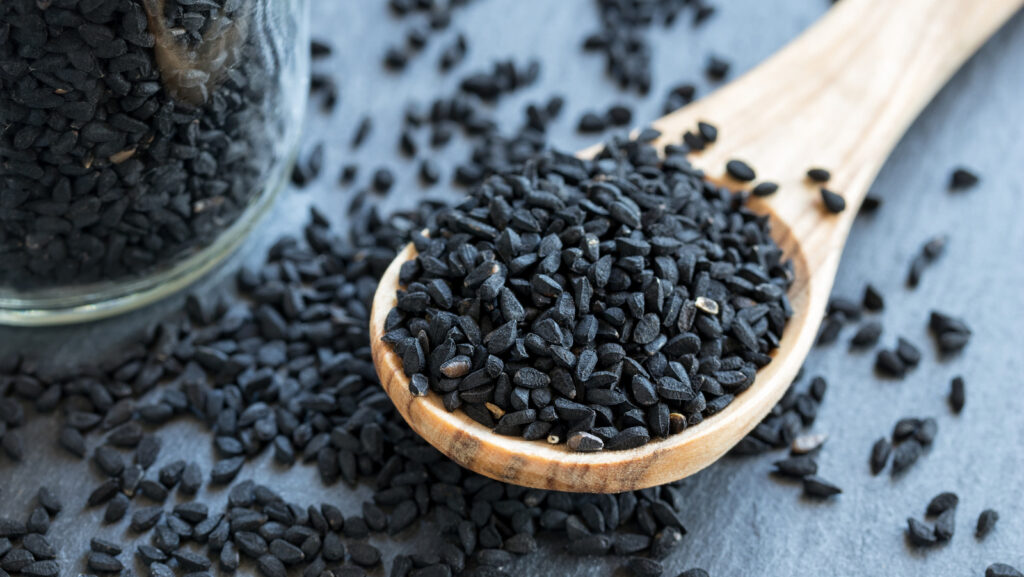
The Prophet ﷺ said:
“Black seed is a cure for every disease except death.” (Bukhari)
Containing thymoquinone, black seed supports immunity and reduces inflammation.
6. Figs – The Bone Builder
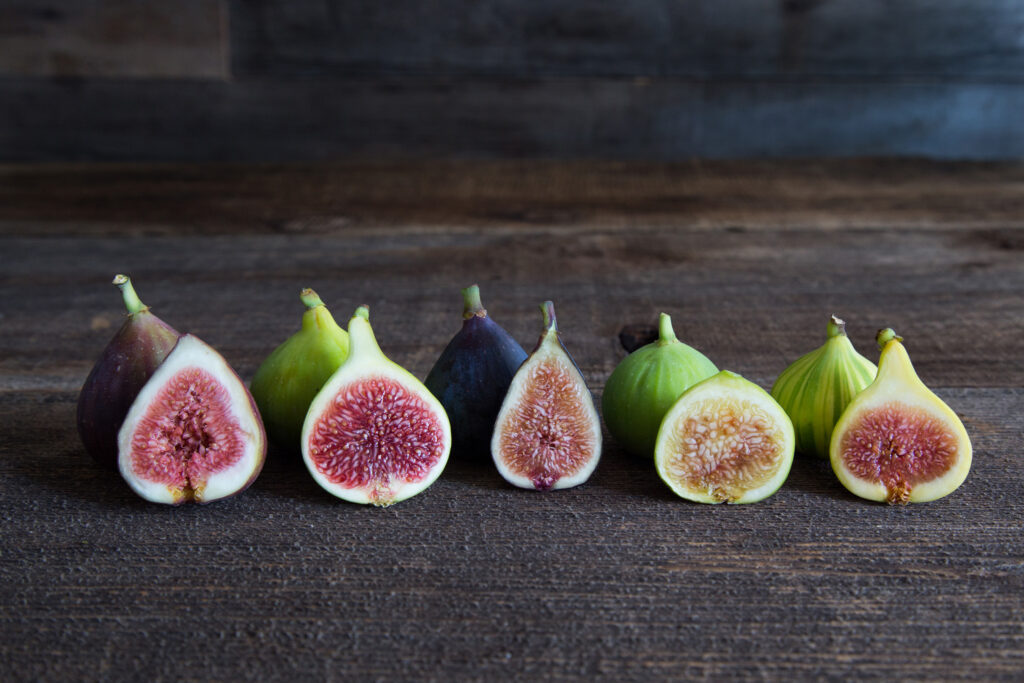
Allah swears by figs:
“By the fig and the olive.” (Surah At-Tin: 1)
Figs are rich in calcium, fiber, and antioxidants—essential for bone and metabolic health.
7. Pomegranate – The Fruit of Paradise
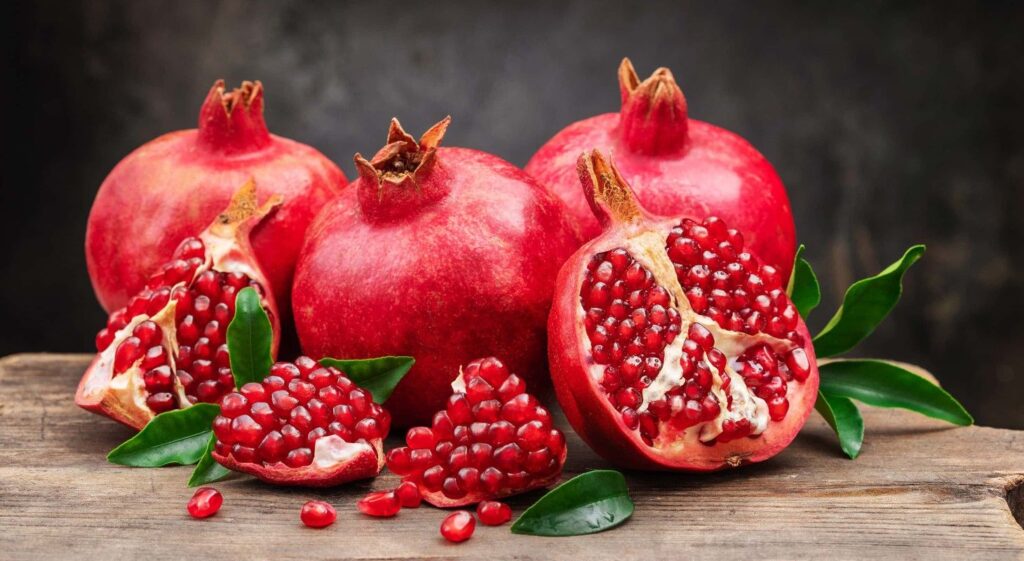
Mentioned among the fruits of Jannah:
(Surah Ar-Rahman: 68)
Pomegranates support heart health and are packed with polyphenols.
8. Milk – Pure Nourishment
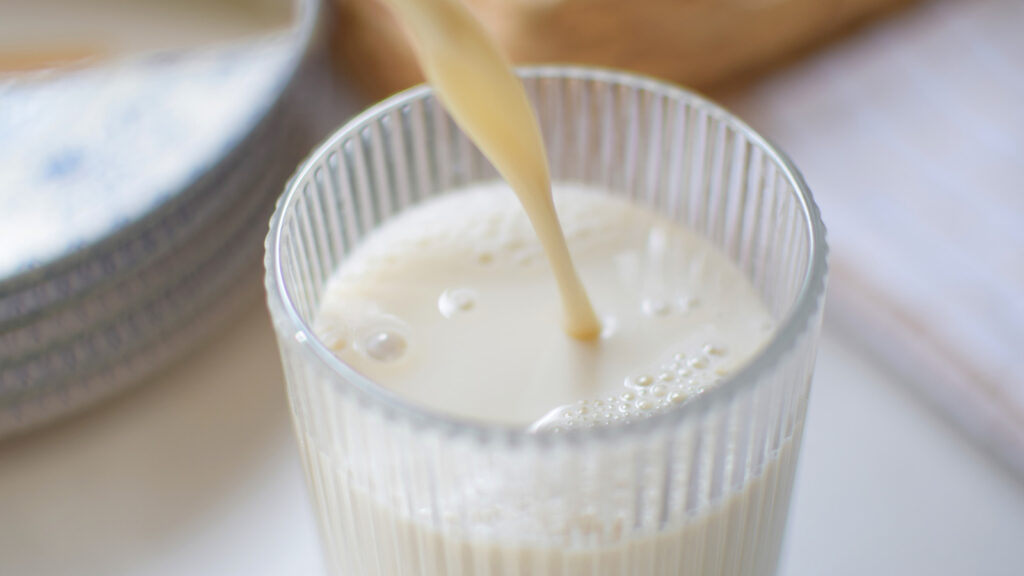
Allah describes milk as:
“Pure, palatable to drinkers.” (Surah An-Nahl: 66)
The Prophet ﷺ made du‘a for more of it, highlighting its nutritional completeness.
9. Grapes – The Blood and Heart Supporter
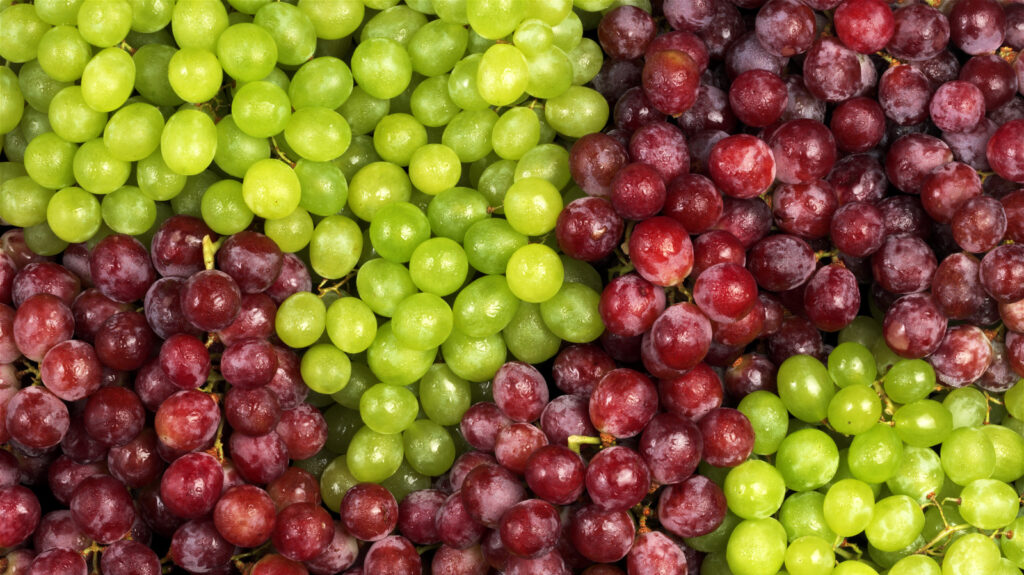
Grapes contain resveratrol, known for cardiovascular and skin benefits.
10. Vinegar – The Best Condiment
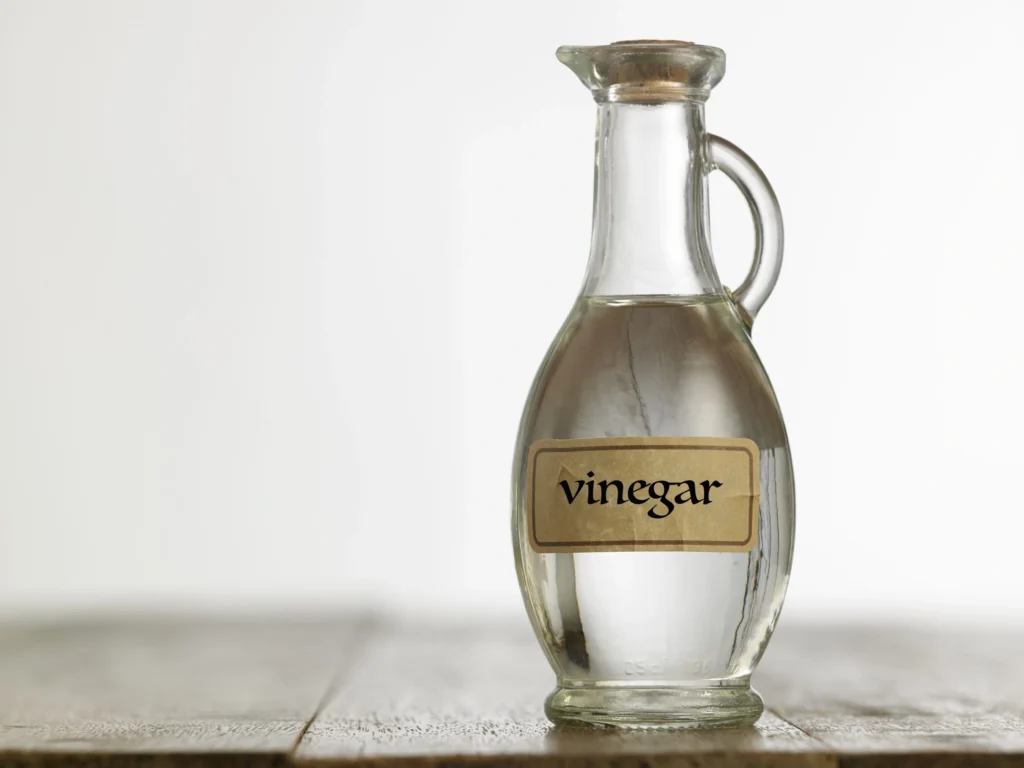
The Prophet ﷺ said:
“What an excellent condiment vinegar is.” (Muslim)
It improves digestion and blood sugar control.
11. Cucumber – Natural Hydration
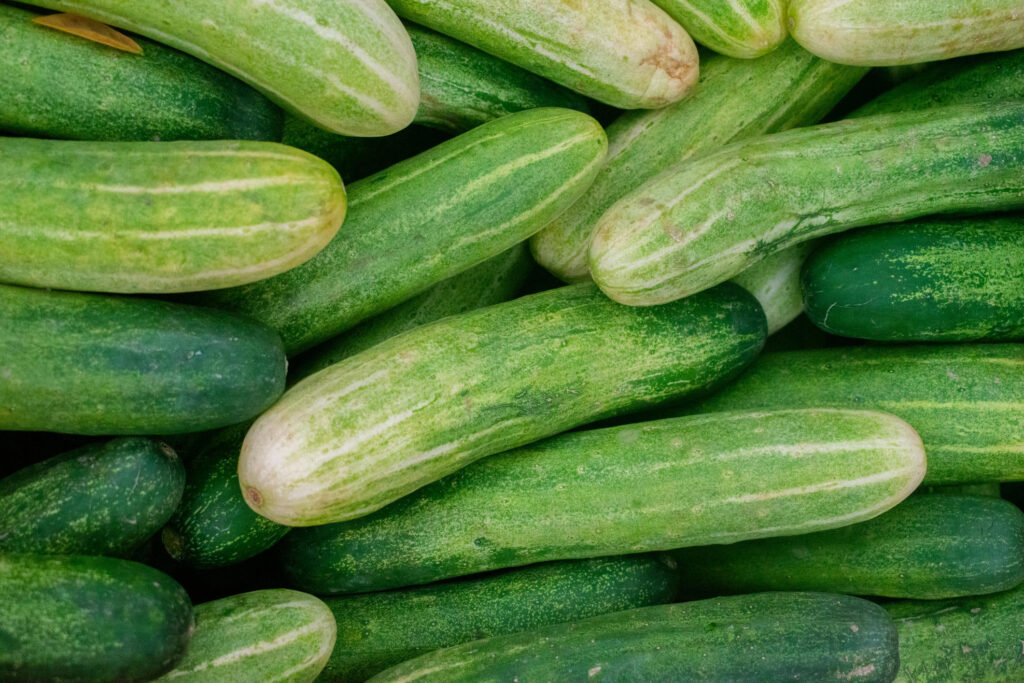
The Prophet ﷺ ate cucumber with dates (Bukhari), balancing heat and hydration.
12. Pumpkin – The Prophet’s Favorite Vegetable
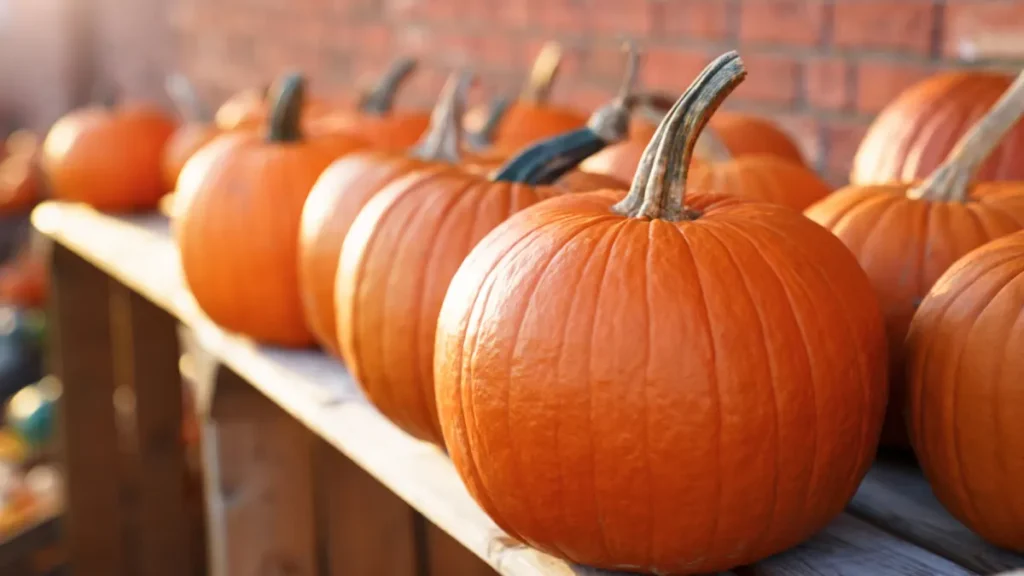
Rich in vitamin A and antioxidants, pumpkin supports eye and brain health.
13. Zamzam Water – A Miracle Drink

The Prophet ﷺ said:
“Zamzam water is for whatever it is drunk for.” (Ibn Majah)
Naturally rich in minerals, it is spiritually and physically nourishing.
14. Lamb – The King of Meat
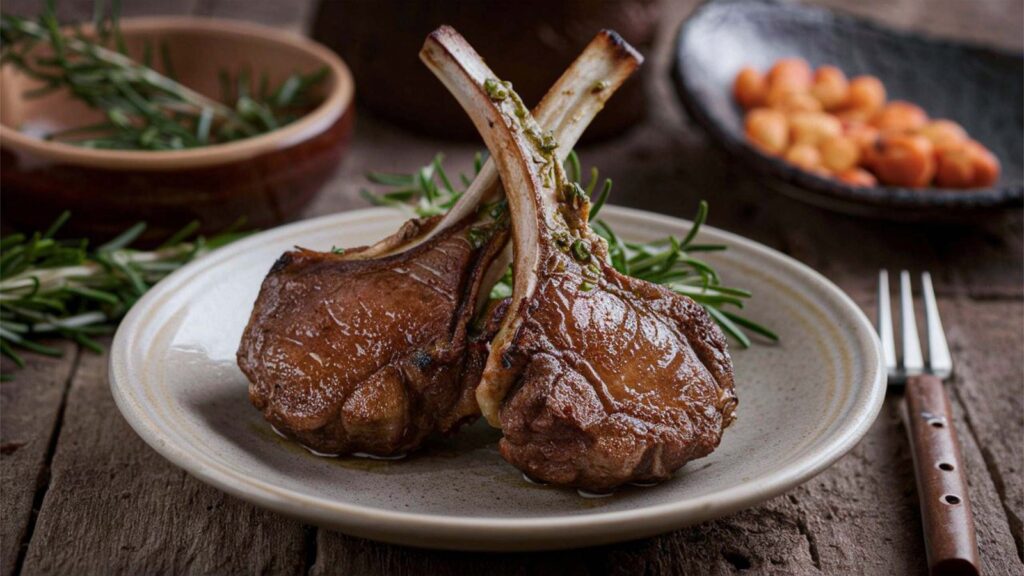
Lean lamb provides complete protein, iron, and B vitamins.
15. Fish – The Omega-3 Source
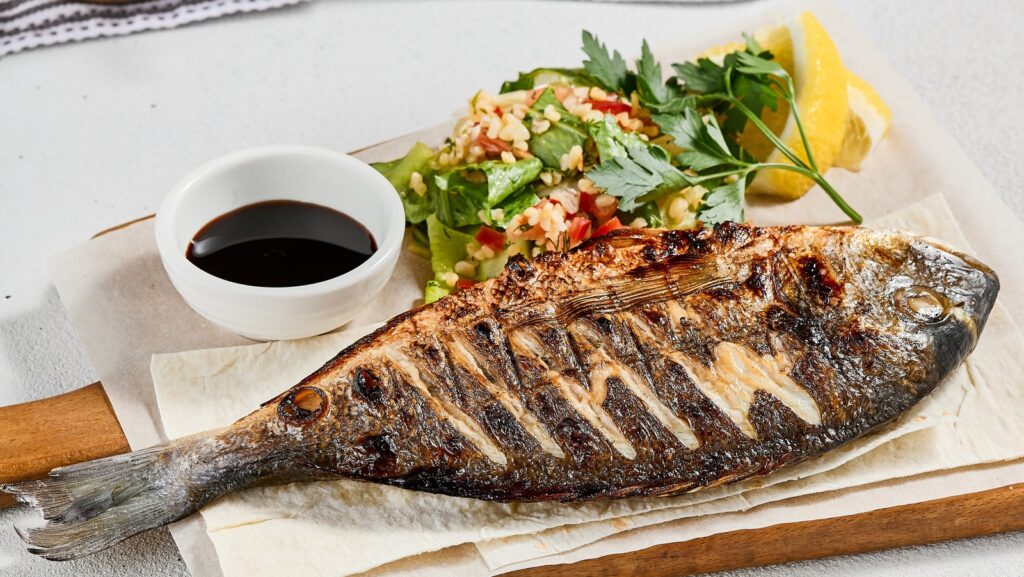
Fish supports brain, heart, and joint health through essential fatty acids.
16. Ginger – A Heavenly Flavor
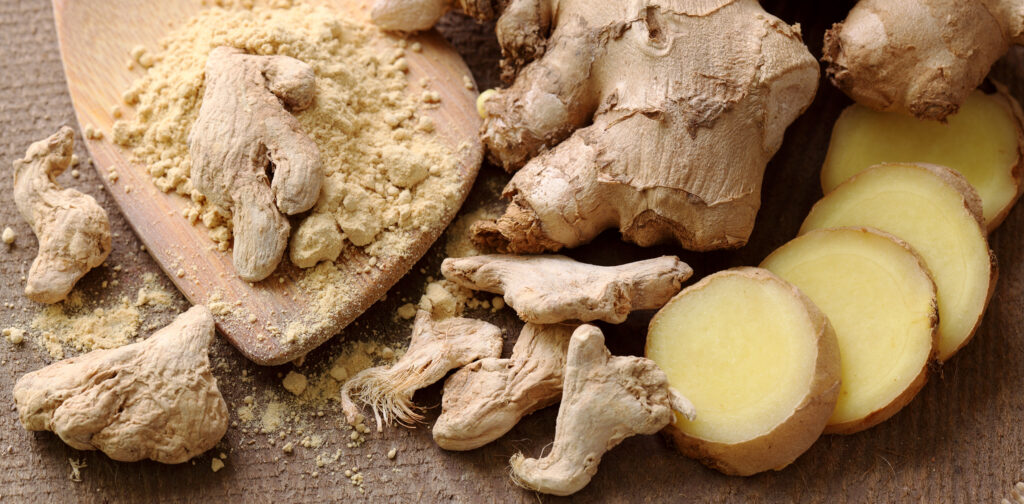
Mentioned as a drink of Paradise (Surah Al-Insan: 17), ginger aids digestion and reduces inflammation.
17. Lentils – Plant-Based Strength
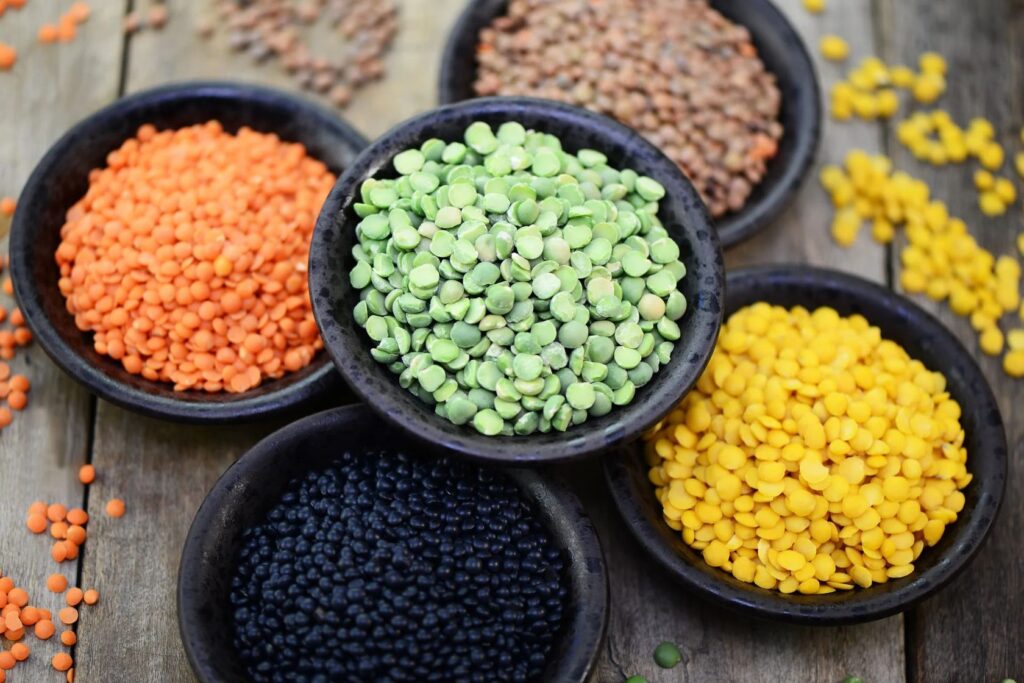
A powerful source of iron, protein, and folate.
18. Garlic – The Natural Antibiotic
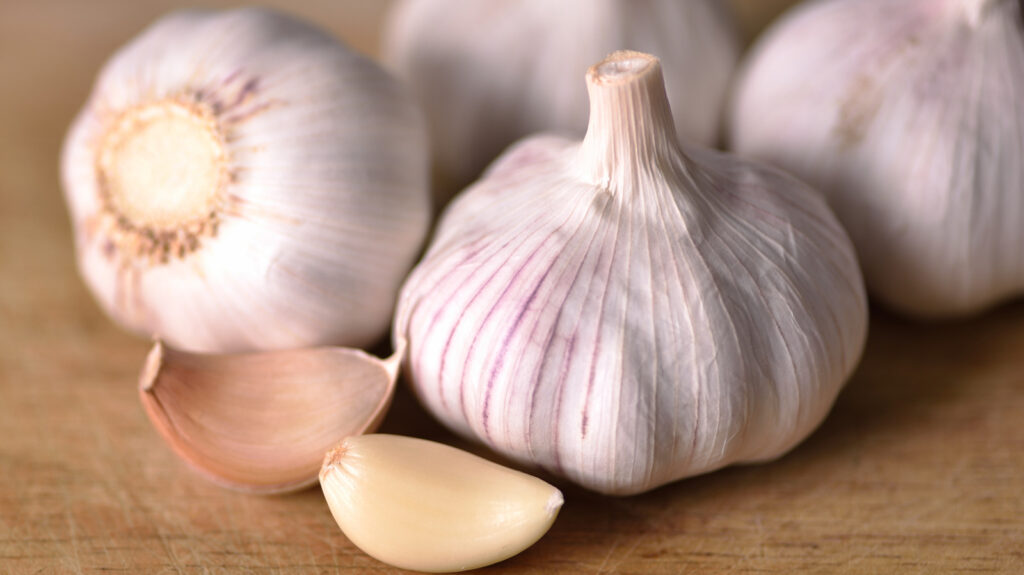
Garlic supports immunity and cardiovascular health.
19. Onions – Inflammation Fighter
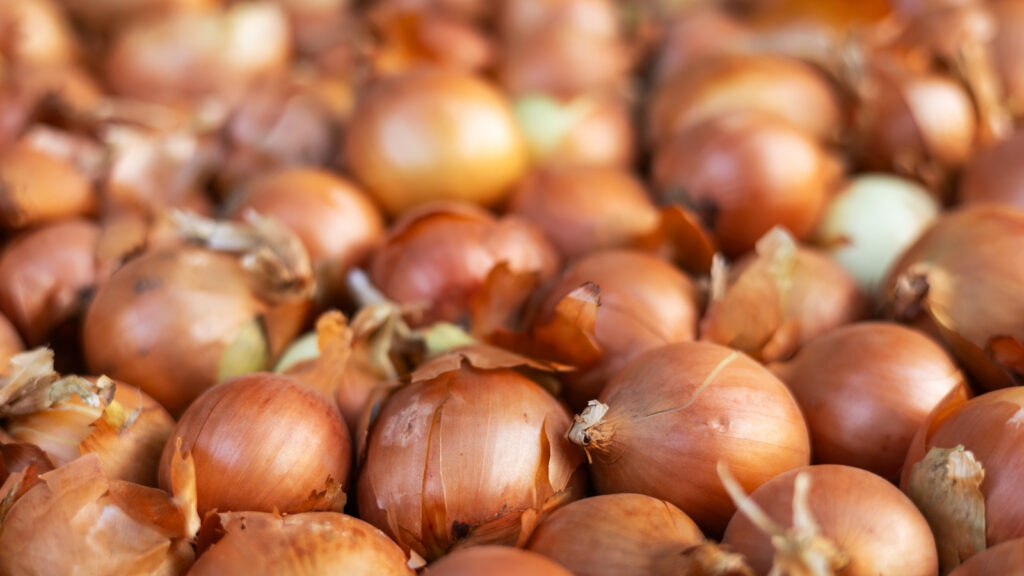
Rich in quercetin, onions strengthen immune defenses.
20. Melons – Cooling Balance
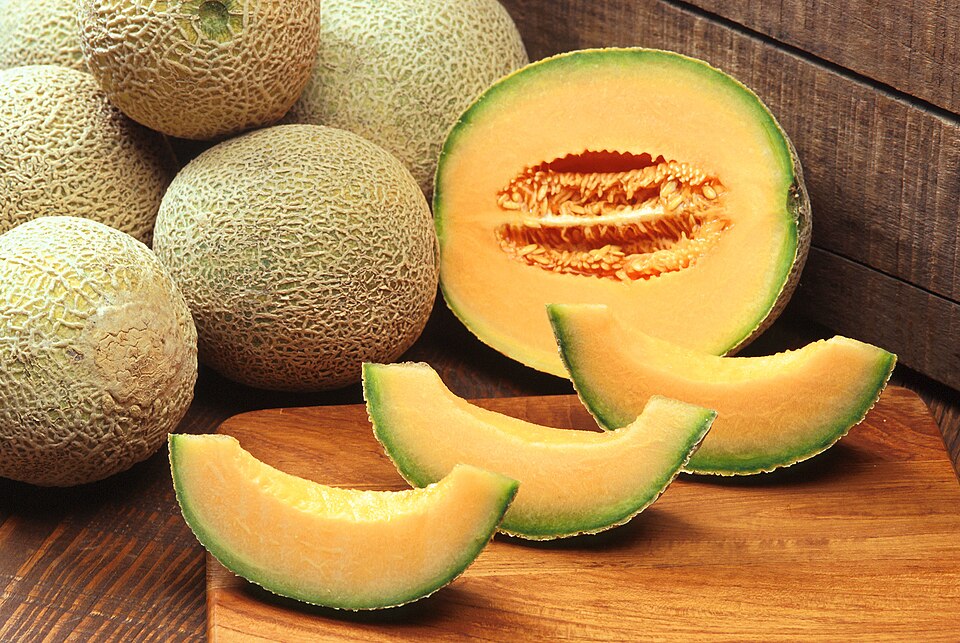
The Prophet ﷺ paired melon with dates for balance (Abu Dawood).
21. Mushrooms – Vision Support
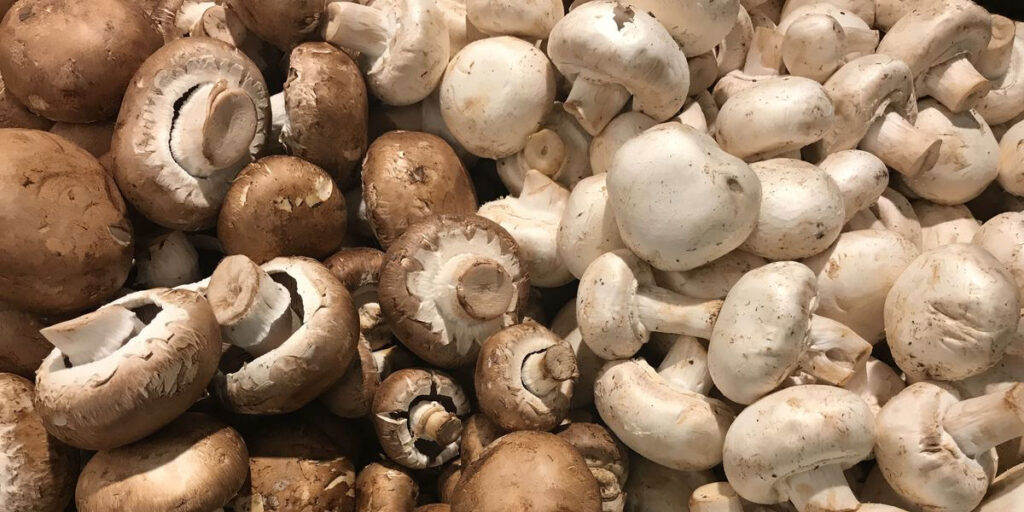
The Prophet ﷺ said mushroom extract heals the eyes (Bukhari).
22. Quince – Heart Strengthener
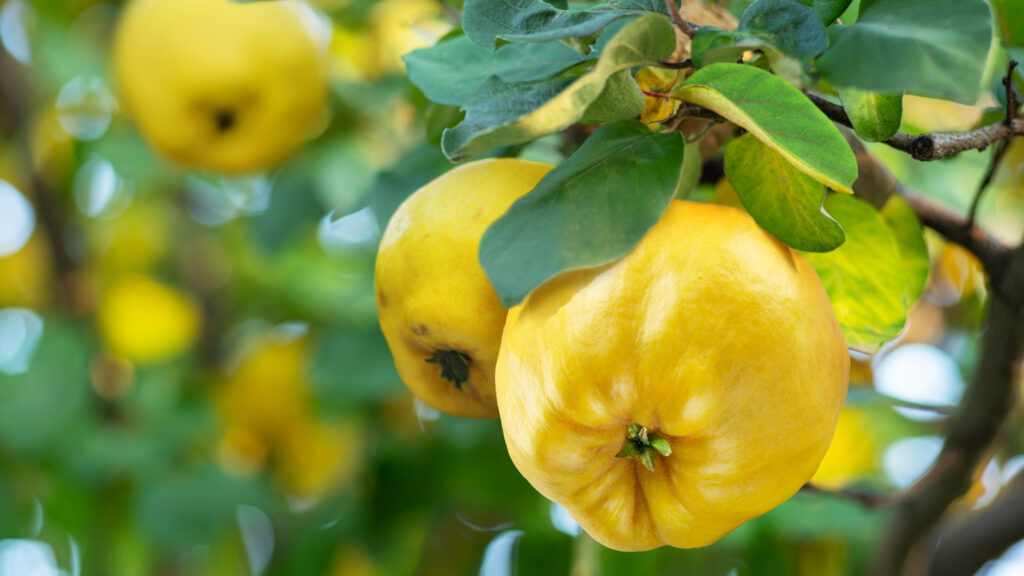
Recommended for emotional and digestive health.
23. Beetroot – Stamina Booster
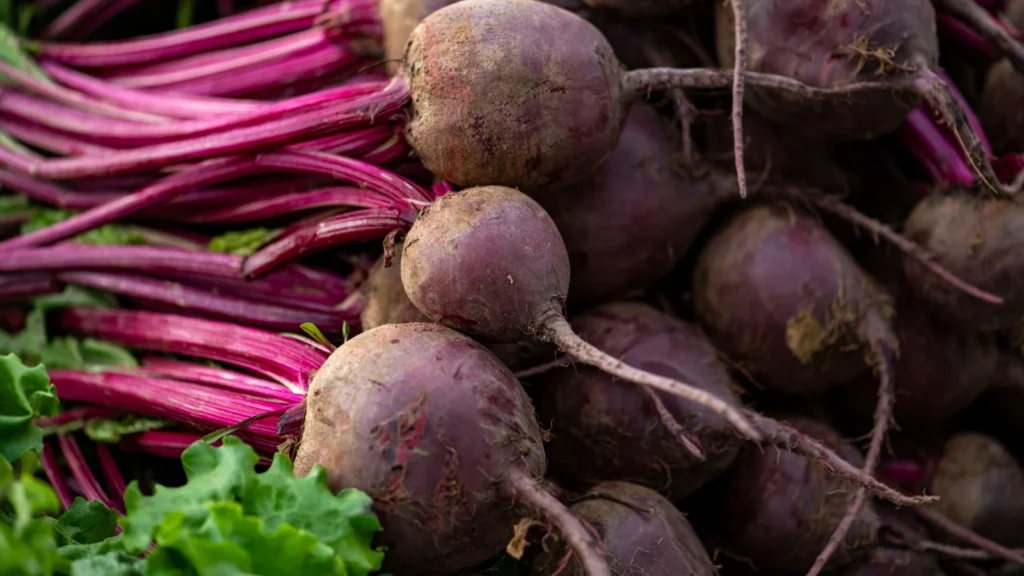
Improves blood flow and endurance.
24. Salt – The Essential Mineral
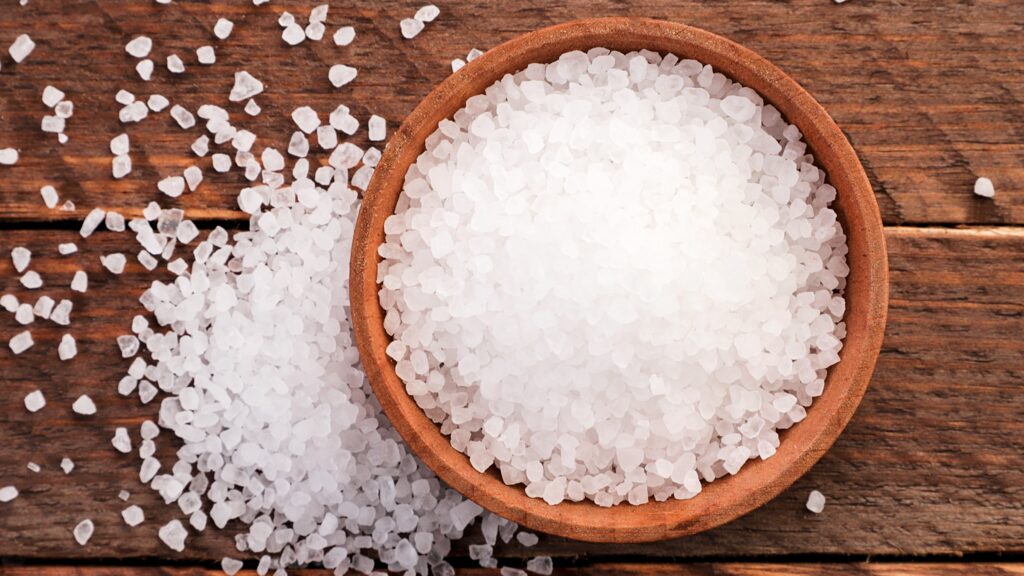
Vital in moderation for electrolyte balance.
25. Butter & Ghee – Healthy Traditional Fats
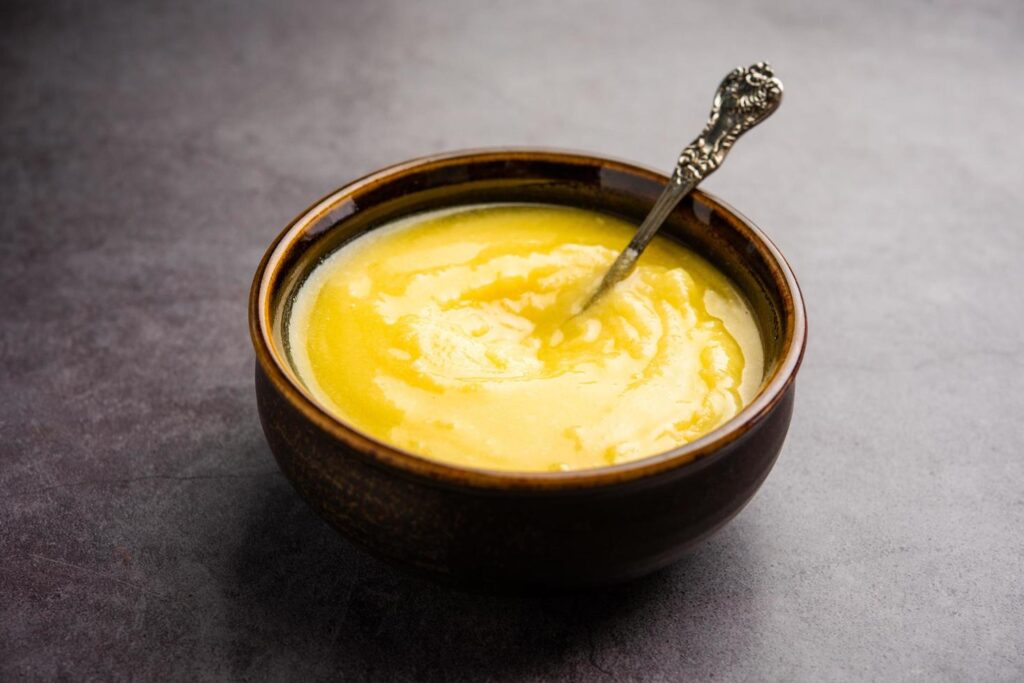
Consumed by the Prophet ﷺ in moderation.
26. Citron – The Believer’s Fruit
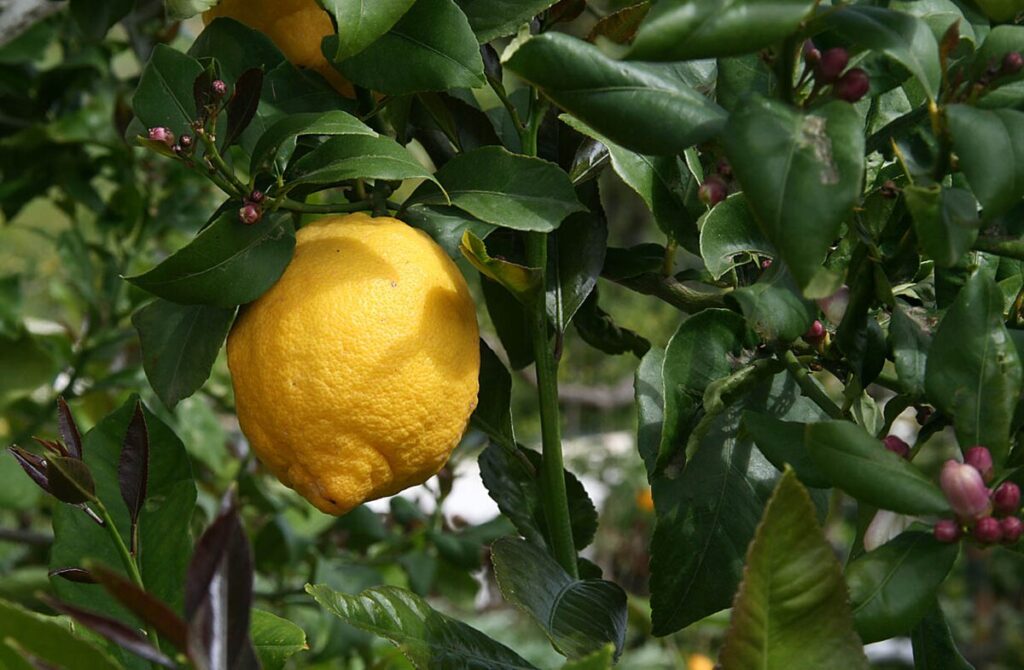
Symbol of faith, fragrance, and goodness (Bukhari).
27. Senna – Natural Detox
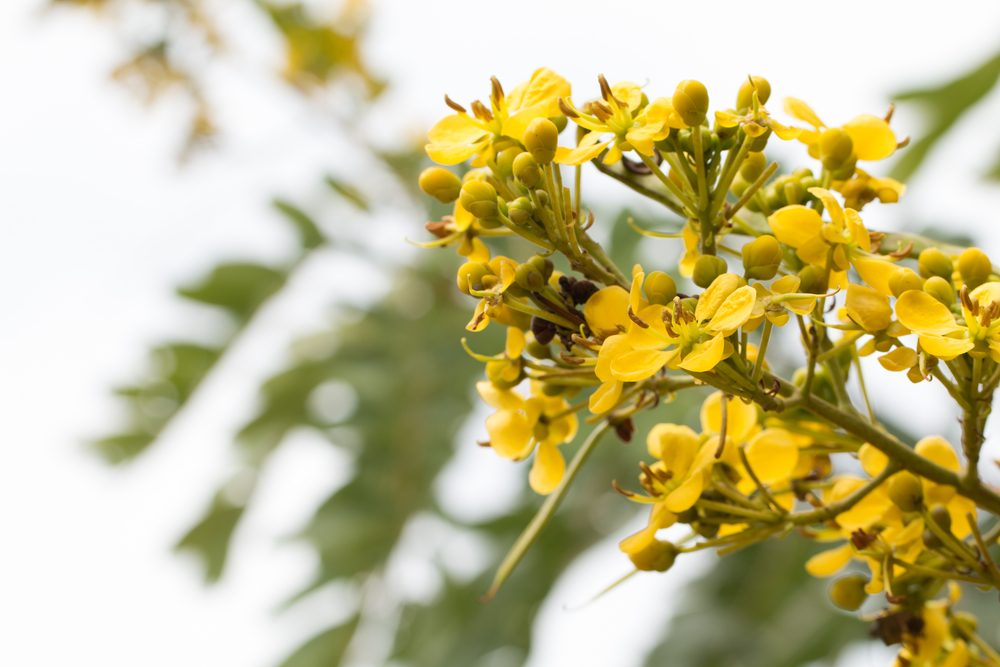
Used for digestive cleansing.
28. Cumin – Digestive Strength
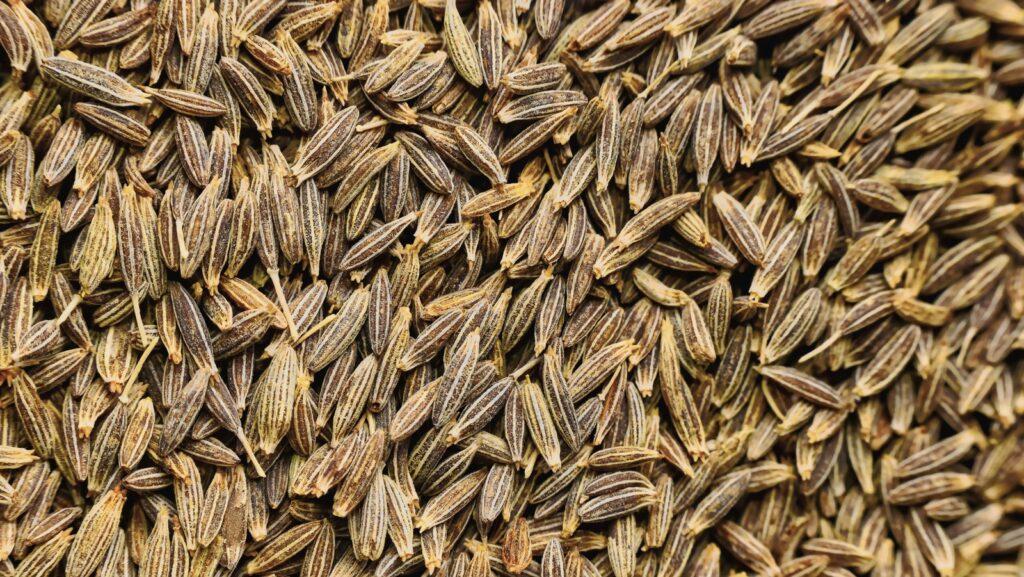
Improves gut health and nutrient absorption.
29. Fenugreek – Metabolic Support
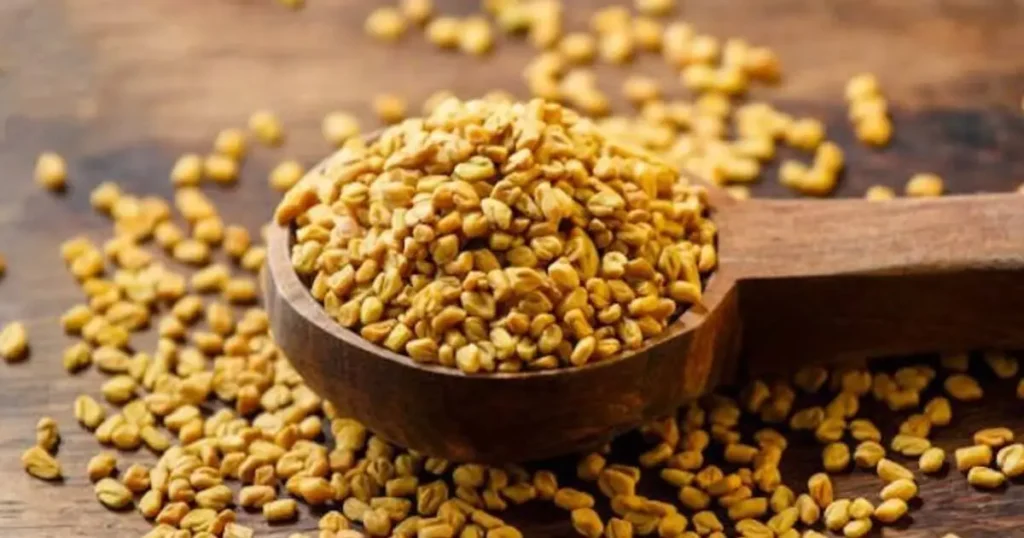
Helps regulate blood sugar and hormones.
30. Henna – External Healing
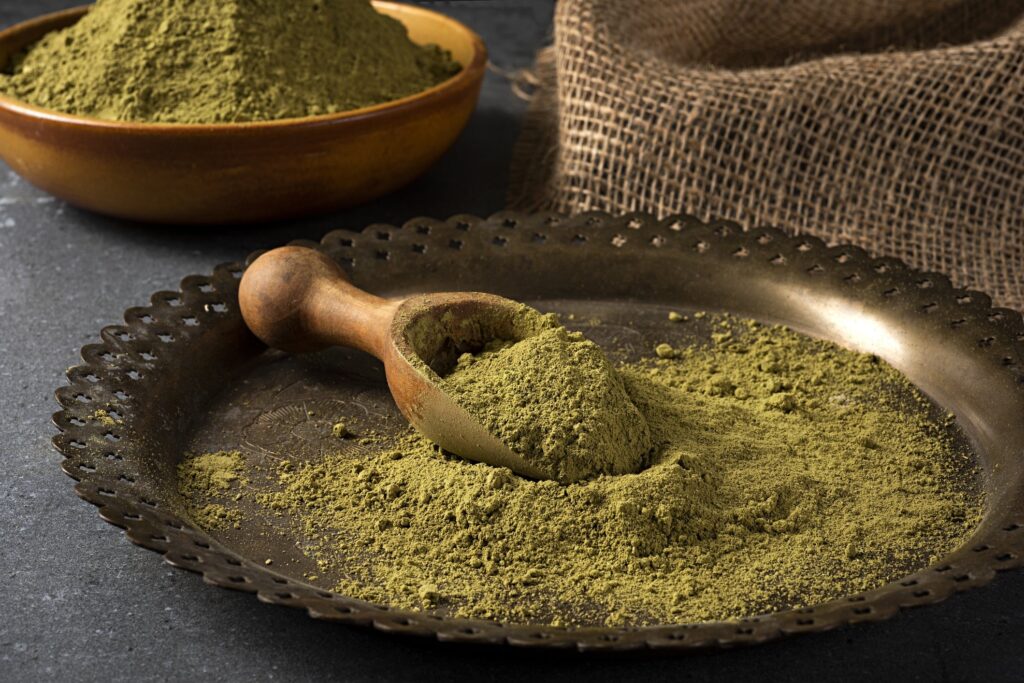
Used by the Prophet ﷺ for wounds and pain (Tirmidhi).
Conclusion: A Sunnah-Based Lifestyle of Balance
The Islamic diet is not about restriction—it is about purpose, balance, and gratitude. By incorporating these Sunnah superfoods, a believer nourishes both body and soul while following the prophetic model of moderation and mindfulness.
Eating with intention, choosing Tayyib foods, and honoring the body as an Amanah transforms daily meals into acts of worship—and invites lasting Barakah into life.
Onais is an Arabic language specialist who completed his Bachelor’s in Arabic from the International Islamic University, Islamabad, and is currently pursuing his Master’s degree there. Having lived in the UAE for 17 years, he brings strong command of Middle Eastern Arabic dialects and focuses on practical, easy-to-understand Arabic language courses.